
Key Takeaways
- Aging in place means staying in your home as you grow older, but it often comes with real costs and logistical responsibilities.
- Home modifications and private caregiver arrangements can add up quickly.
- Social isolation is a genuine risk when living alone, especially as mobility shifts.
- Senior living communities offer built-in connection, flexible support, and care that grows with you.
- Exploring your options early gives you more freedom to choose on your own terms.
What “Aging in Place” Really Looks Like
You’ve probably heard the phrase “aging in place” and thought, that sounds like the plan. Stay home, stay independent, stay in the space you love. It’s a deeply personal goal, and for many people, it’s the first instinct. But what aging in place actually looks like day-to-day, and what it costs, often surprises people who haven’t mapped it all out yet.
Aging in place means living independently in your own home as you age, but it almost always requires home modifications, outside support, and a proactive plan to keep that lifestyle working well. The good news is that understanding the full picture helps you make the choice that genuinely fits your life, not just the one that sounds familiar.
Juniper can help you explore what that picture looks like, with communities designed around different levels of care and lifestyle to match where you are right now.
What Aging in Place Actually Means
At its core, aging in place is about staying in a home you already know. Your routines, your neighborhood, your sense of ownership. For some people, that’s a meaningful priority. For others, once they weigh everything involved, they find that a senior living community actually delivers more of what they were after in the first place.
Every situation looks a little different. Some people thrive at home with minimal support for years. Others find that the upkeep, the logistics, and the quiet start to feel heavier than expected. There’s no single right answer, but there is a right answer for you, and it’s worth exploring with clear eyes.
The Real Costs and Challenges to Consider
Home Modifications Add Up
Grab bars, ramps, stair lifts, and widened doorways aren’t small purchases. An accessible bathroom remodel alone can run anywhere from $8,000 to $25,000. These aren’t optional extras when safety is a priority. They’re investments you’d be making upfront, often before you even know exactly what you’ll need long-term. For a closer look at how home modifications support safe aging, it helps to think through what changes your space might realistically need.
It’s worth sitting down and sketching out what modifications your home would realistically need over the next five to ten years. That number can shift the conversation pretty quickly.
Hidden Responsibilities at Home
Property taxes, lawn care, appliance repairs, and home maintenance don’t pause because life gets busier. Those responsibilities stay with you. On top of that, if you need caregiver support, finding, vetting, and managing that on your own takes real time and energy.
In a senior living community, those layers of responsibility are handled for you. That means more room in your day for the things that actually light you up, whether that’s morning yoga, a painting class, or a long lunch with a neighbor who’s become a real friend.
What Social Life Looks Like in Each Setting
At Home
Staying socially connected at home takes consistent, deliberate effort. Phone calls, scheduled visits, community groups, and transportation all require planning. As mobility shifts, that effort can grow harder, and isolation can quietly creep in without anyone noticing right away.
Loneliness isn’t a small thing. It affects how you feel, how you sleep, and how engaged you stay with the world around you. Social isolation carries real health risks for older adults. It’s worth honestly asking how your social life would look if your day-to-day circumstances changed.
In a Senior Living Community
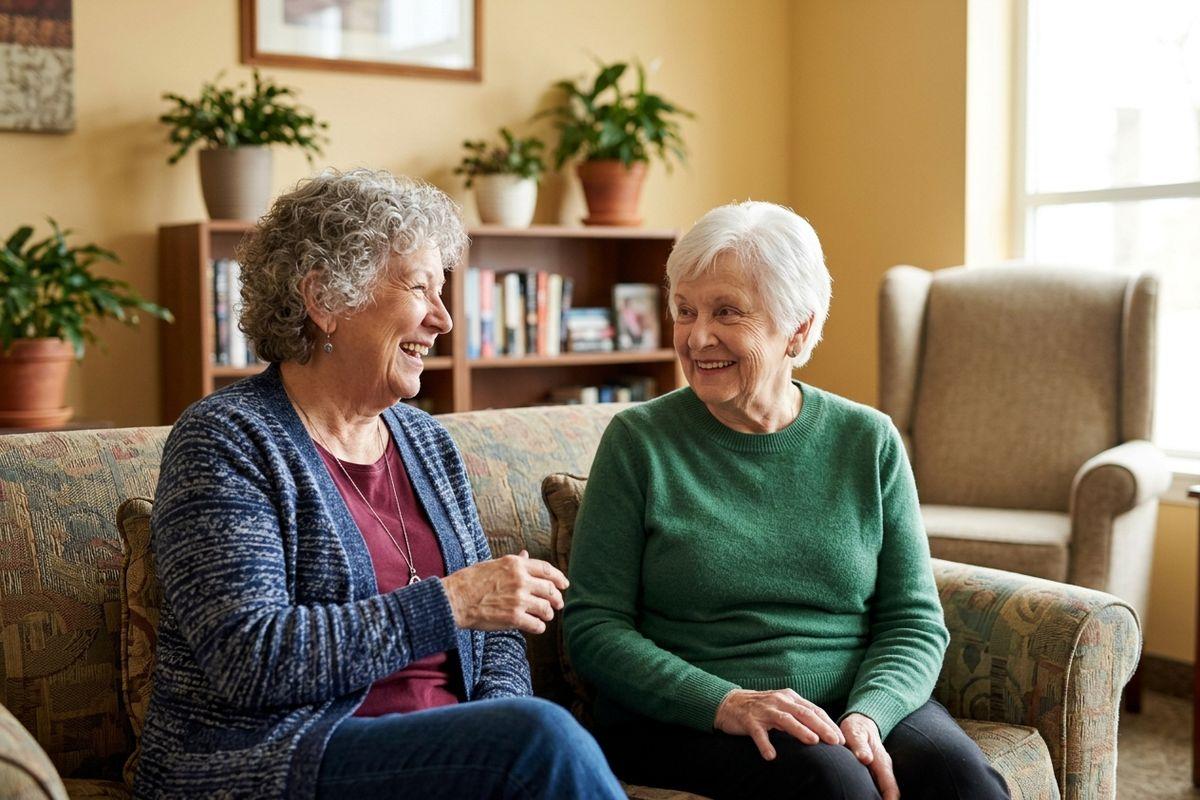
When you live in a senior living community, connection is already woven into the fabric of the day. Your neighbors are steps away. The activity calendar is full of options tailored to different interests and energy levels. You can join in or take a quiet morning on your own. That flexibility is something a lot of residents say they didn’t expect to love as much as they do.
From book clubs to garden walks to live music on the patio, the social texture of community life adds something that’s genuinely hard to replicate on your own. Explore how community activities support emotional well-being and keep residents genuinely engaged every day.
How Senior Living Supports Your Independence
Here’s the thing that often surprises people: senior living isn’t about giving up independence. It’s about protecting it. Options like assisted living, memory care, and personal care are designed to support you in the ways you actually need, without overstepping. Your support can shift as your life shifts, so you’re never navigating a big change alone.
Moving into a community while you’re still feeling energetic and social also means you get to enjoy more of the lifestyle benefits, the friendships, the activities, the freedom from maintenance, for longer. That’s a real advantage worth considering early.
How to Find What Feels Right for You
The clearest path forward starts with an honest conversation. Think about what matters most to you: comfort, connection, safety, and what your care needs might look like down the road. Bring family into that conversation sooner rather than later, so decisions feel collaborative, not reactive. A helpful place to start is by matching your needs to the right level of support.
Most importantly, explore your options before anything feels urgent. At Juniper, the door is always open for a visit, a conversation, or just a chance to see what community life actually feels like. Find a community near you and take that first step on your own terms. Your third act is just beginning, and it deserves a thoughtful start.