

Key Takeaways
- Know the difference between care levels before you start comparing communities
- Tour each community with intention, and pay attention to how the space feels, not just what it offers
- Build a simple side-by-side tracker covering lifestyle, care, cost, amenities, and variety of social events
- The right community adapts to the individual, not the other way around, supporting your goals
Where to Start When Comparing Senior Living Communities
You’ve started researching senior living communities, and now you’re staring at a list of community names, brochures, and websites that all start to blur together. It can feel like a lot, especially when the stakes feel this personal.
Navigating senior care doesn’t have to be overwhelming when you have the right framework guiding you.
Comparing senior living communities side by side starts with knowing what type of care is needed, then layering in lifestyle, cost, and how each place actually feels. Once you have a clear framework, the right fit becomes much easier to spot.
What to Know Before You Start
Before you tour a single community, it helps to understand the different levels of care available. Not every community offers the same thing, and that distinction matters when you’re trying to find a genuine match.
Types of Senior Living at a Glance
Here’s a quick look at the most common options you’ll come across:
- Independent living is for those who want a vibrant, social lifestyle with fewer home maintenance responsibilities and a community at their doorstep.
- Assisted living and personal care can offer daily support with tasks like grooming, medication, and meals while preserving independence.
- Memory care can provide a structured, supportive environment for those living with Alzheimer’s or other forms of memory loss and cognitive decline.
- Skilled nursing delivers a higher level of hands-on care with 24-hour medical supervision for more complex, chronic health needs.
- Respite care and short-term rehabilitation offer short-term stays to support specific health goals, whether that’s a break for a family caregiver or recovery after surgery.
Some communities offer multiple levels under one roof, which can make transitions much smoother if needs change down the road. You can explore Juniper communities near you to get a feel for what that continuity of care looks like in practice.
What to Look for During a Tour
The Feel of the Place
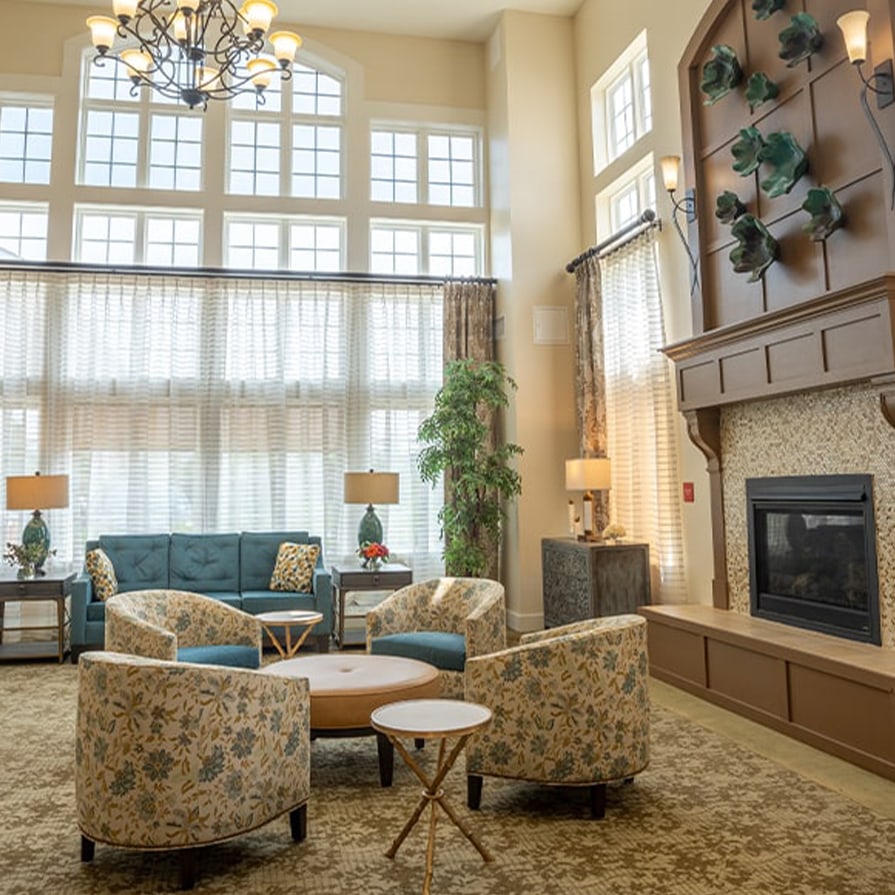
When you walk through the front door, take a moment to simply observe. Does someone greet you warmly before you even reach the front desk? Are residents laughing in the common areas, or does the space feel quiet and disconnected?
The atmosphere of a community tells you so much before a single brochure is handed to you.
Look for a space that feels lived-in and welcoming, where the warm glow of a reading lamp in the corner or the smell of something good coming from the dining room makes you pause. That sensory detail matters for finding a community that feels like home.
Getting a firsthand look at a day in the life of an assisted living community can paint a vivid picture of its daily rhythms.
Questions Worth Asking
Come prepared with a list of questions, and don’t be shy about asking them. A few worth covering:
- What is included in the monthly fee, and what gets billed separately?
- How is each resident’s care plan personalized to their specific needs?
- How does the community handle it when someone’s care needs change over time?
The answers will tell you a lot about how a community actually operates, not just how it presents itself. You can also review a helpful list of questions to ask during a tour so nothing important slips through the cracks.
How to Build Your Side-by-Side Comparison
After two or three tours, memories can blur quickly. Bring a notebook or a simple spreadsheet and score each community across four key categories: lifestyle, care, cost, and social life.
Having something tangible to revisit later can take the pressure off and help the whole family stay on the same page.
Key Categories to Compare
- Dining and daily programming: Are meals flexible and inviting? Is there a rhythm to the day that feels engaging?
- Staff availability: What is the resident-to-staff ratio, and how present does the team feel during your visit?
- Pricing model: Is pricing all-inclusive, tiered by care level, or à la carte? Know exactly what you’re comparing.
What Senior Living Actually Costs
In 2026, assisted living averages $5,419 to $6,200 per month nationally, though costs vary significantly by location, room type, and level of care. It’s worth asking each community how often fees change year over year so there are no surprises later.
Ways to Help Cover the Cost
There are more options available than many families realize:
- Medicare Advantage plans can help offset certain care-related costs
- Medicaid may cover assisted living or memory care, depending on the state
- Long-term care insurance and VA benefits are worth reviewing carefully
- Bridge loans and asset-based planning strategies can help during a transition period
Finding the Community That Feels Like Home
Numbers and checklists are helpful, but at the end of the day, the right community feels different when you walk through it. You notice that residents look genuinely at ease. You hear laughter down the hall. The staff knows people by name.
At Juniper Communities, our focus is on adapting to each individual, not the other way around. Whether someone is exploring independent living, assisted living, or memory care, life here is about connection, purpose, and continued growth.
When you’d like to learn more or schedule a tour, reach out to our team.