

Key Takeaways
- Assisted living offers personalized support while preserving independence and lifestyle.
- Flexible routines, warm spaces, and attentive staff make every day feel like your own.
- Meaningful programs and social connections keep life rich and engaging.
- Families gain peace of mind through 24/7 support and open communication.
- Exploring assisted living doesn’t mean giving something up—it can mean gaining a whole lot more.
More Than Just Support—It’s a New Chapter
At some point, the question comes up: What does life look like when a little extra support would actually make things easier? Maybe the house feels like more work than it used to. Maybe you’d love a hot meal you didn’t have to cook, or a neighbor who actually knows your name. Assisted living can be the answer to living more fully, not less.
This isn’t about giving things up. It’s about trading in the parts of your day that wear you out for the parts that light you up. Think less time managing the details, more time doing what you love—surrounded by people who genuinely care.
At Juniper, Senior Living is built around exactly that kind of life, where every day has room for what matters most. If you’re weighing your options, learning what assisted living really involves is a natural first step.
What Is Assisted Living?
Assisted living is a type of senior living that offers support with everyday tasks—like getting dressed, managing medications, or moving around safely—while you continue living life on your own terms. It’s personalized to fit your needs, not someone else’s.
Every resident’s experience is shaped by who they are as a person. The goal is to handle what’s become a challenge so the rest of life can keep flowing. And unlike a clinical setting, a good assisted living community feels warm, alive, and genuinely social—more like a neighborhood than anything else. This kind of support is described as a continuum—designed to meet people where they are, with services that flex as needs change.
The Everyday Perks You’ll Actually Notice
A Day That Feels like Yours
Your routine shouldn’t feel like it belongs to someone else. Assisted living is built around flexibility—so if you’re a slow-morning coffee person or a late-afternoon walker, that’s honored. The soft armchair by the window, the smell of a freshly cooked meal, the familiar rhythm of a day you actually enjoy—these things are handled so you can simply be present for them.
Comfort here isn’t just physical. It’s the feeling of having your preferences known and respected without having to ask twice. From daily life in assisted living to the small rituals that make a space feel like home, every detail is designed with you in mind.
Support That Stays in the Background
Good care doesn’t announce itself. The support you receive in assisted living is discreet and personal—there when you need it, stepping back when you don’t. The team gets to know your story, your humor, and what makes you tick. That’s not an accident; it’s intentional.
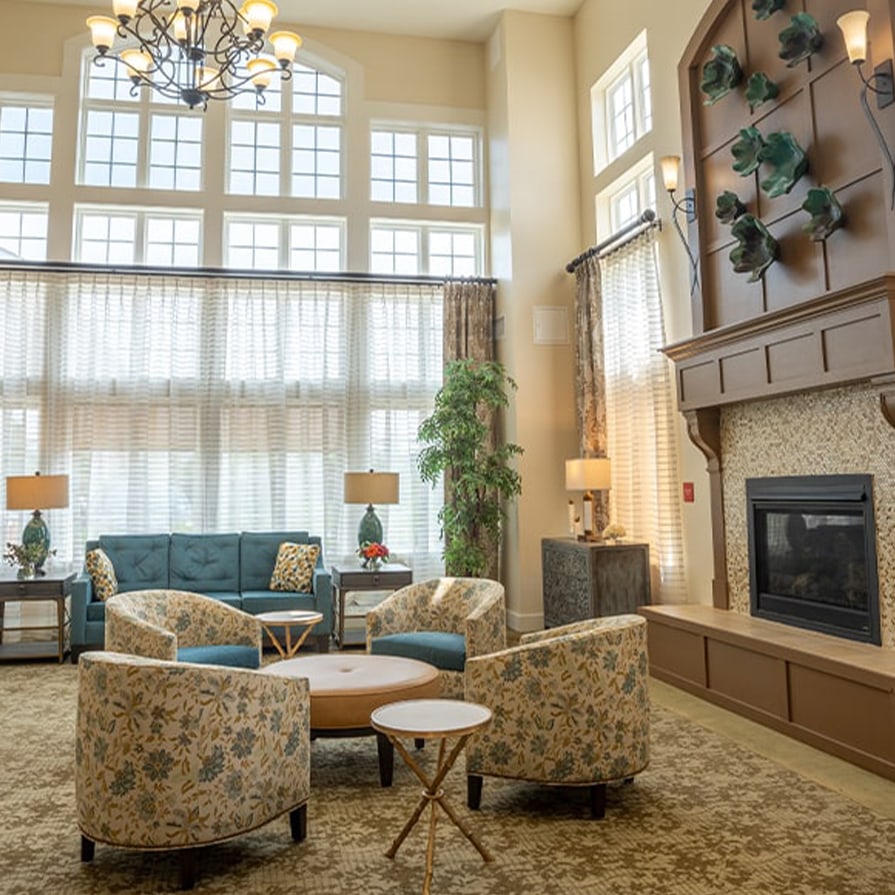
Shared spaces, like a sunlit lounge, a garden patio, a lively activity room, have a way of sparking real friendships. The connections you make here aren’t forced. They grow naturally out of shared meals, shared laughs, and simply being around people who are living fully, just like you. Staying socially connected has real, lasting effects on health, and communities built around connection make that easier every single day. Events and programs are there to invite, never to obligate.
Programs That Keep Life Interesting
Wellness classes, art studios, lifelong learning sessions, live music, book clubs—there’s something for every personality and every curiosity. These programs aren’t designed around age; they’re designed around you. What do you love? What have you always wanted to try? That’s the starting point.
Life here reflects who you are right now, with interests that are still evolving. From community activities that boost emotional well-being to creative programming that sparks something new, your third act has a full program.

Peace of Mind for the Whole Family
For adult children, watching a parent navigate daily life with growing challenges can be a quiet, constant worry. Assisted living can shift that dynamic in a meaningful way. With 24/7 support in place, there’s always someone nearby—a reassuring presence, day or night.
Families stay connected and informed through open communication with staff who genuinely know their loved one. Instead of checking in out of anxiety, you get to visit out of love. That’s a big difference. Less energy goes toward logistics, and more goes toward quality time together—sharing a meal, taking a walk, making new memories. If the transition feels daunting, understanding what to expect when moving to assisted living can make the whole process feel far more manageable.
When the worry quiets down, the relationship gets to breathe again.
Is Assisted Living the Right Next Step?
A few signs it might be time to explore your options:
- Daily tasks like cooking or personal care have started to feel like a lot.
- Loneliness or isolation has crept in.
- Safety at home has become a concern for you or your family.
- You’re craving more connection and activity in your days.
Starting the conversation with your family doesn’t have to be heavy. It can begin simply—”I’ve been thinking about what life could look like with a little more support.” Framing it as an exploration, not a decision, takes some of the pressure off. Tips for talking to parents about assisted living can help you find the right words when the moment comes.
At Juniper, the door is always open. Come take a tour, walk the spaces, meet the people. See what it feels like to imagine your days here, because sometimes, all it takes is one visit to see that this could be exactly where life gets good again. Find a Juniper community near you and take that first step today.